
Top Bicycle Socks for Comfort and Performance?
Choosing the right Bicycle Socks can change how a ride feels from the first mile to the final climb. A well-designed pair should manage moisture, reduce friction, and stay securely positioned inside the shoe. Small details matter. Flat seams can prevent pressure points near the toes, while breathable panels may keep feet cooler during long summer rides. Merino wool can provide warmth and odor control, while synthetic fibers often dry faster after heavy sweating. Neither fabric wins every situation.
This guide examines top Bicycle Socks for comfort and performance through practical riding needs, not appearance alone. Fit will remain central, because a loose cuff may slide down, while excessive compression can feel restrictive. Cushioning also requires judgment. Thick padding may soften road vibration, yet it can make a close-fitting cycling shoe feel cramped. I have found that the best choice depends on distance, climate, shoe design, and personal sensitivity. That conclusion is not perfect. Individual feet behave differently.
Consider real riding conditions.
A cool morning commute demands different features than a humid mountain ascent. We will compare fabric blends, cuff height, ventilation, durability, and care requirements. Attention will also go to stitching, elastic recovery, and how socks perform after repeated washing. Reliable recommendations should acknowledge weaknesses, not hide them. A lightweight racing sock may feel excellent in competition but disappoint during cold-weather training. A thicker everyday model may last longer but retain more heat. The goal is simple: identify Bicycle Socks that support comfortable, confident pedaling without promising a universal solution.
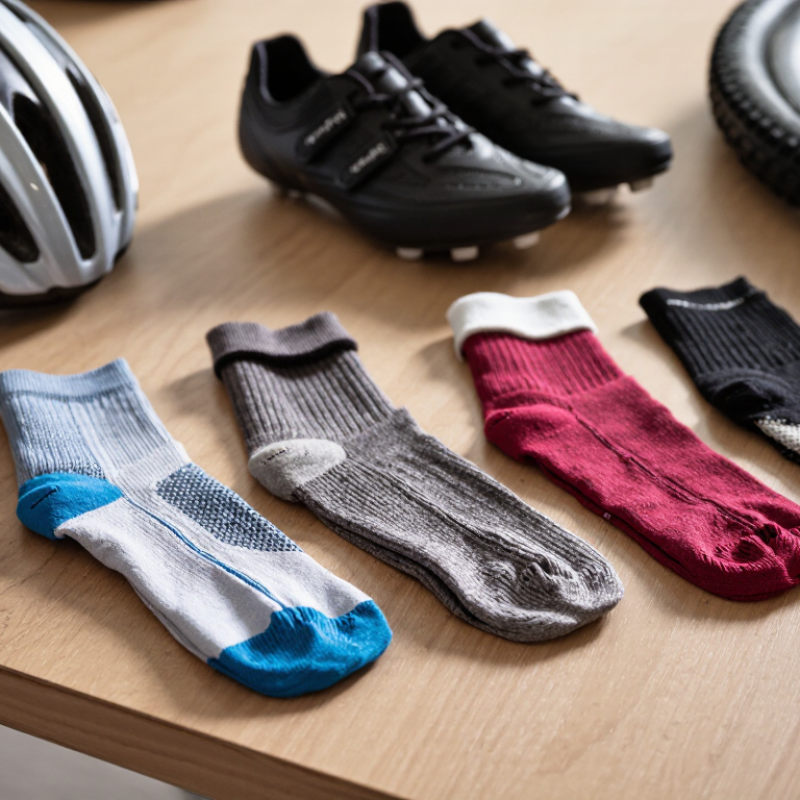
What Makes a Bicycle Sock Comfortable and High-Performing
A high-performing bicycle sock should feel almost invisible during a ride. Comfort begins with a close, gentle fit around the foot. The fabric should manage sweat without feeling wet or sticky. Lightweight merino blends can regulate temperature, while technical synthetic fibers often dry faster. Neither option works perfectly for every rider. Your climate, ride length, and personal sensitivity matter.
During fit testing, I look for a smooth toe seam and firm arch support. A bulky seam can rub against the toes after several hours. Light compression around the midfoot may reduce movement inside the shoe. However, excessive tightness can leave marks and create numbness. The cuff also deserves attention. It should stay upright without pressing deeply into the skin. A few extra centimeters can protect the ankle from shoe edges and road dust.
Durability affects performance more than many riders expect. Reinforced heels and toes usually resist wear from repeated pedaling and washing. Still, dense knitting may trap more heat. I once chose an extremely thin pair for a warm ride, but the fabric stretched quickly and lost its shape. That mistake changed my testing routine. I now check elasticity after washing, not only comfort in the store. A reliable bicycle sock balances breathability, padding, fit, and long-term structure.
Top Bicycle Socks for Comfort and Performance? - What Makes a Bicycle Sock Comfortable and High-Performing
| Performance Dimension | Comfort-Focused Standard | High-Performance Standard | Why It Matters | Simple Evaluation Method |
|---|---|---|---|---|
| Moisture Management | Moisture-wicking synthetic fibers or a wool blend that helps move perspiration away from the skin. | Fast-drying construction with mesh zones over the instep and breathable areas around the toes. | Dryer feet are less likely to develop friction, hot spots, and odor during long rides. | After a ride, check whether the fabric feels damp and whether it dries promptly when hung in a ventilated area. |
| Fit and Elasticity | Snug, smooth fit without excessive pressure, bunching, or slipping at the ankle. | Elastic arch support and a secure cuff that keep the sock stable during repeated pedaling. | A stable fit reduces fabric movement and helps maintain consistent comfort inside the shoe. | Walk and pedal for several minutes. The sock should remain in place without leaving deep marks or forming folds. |
| Cushioning | Light cushioning under the heel and forefoot for impact absorption and everyday comfort. | Targeted cushioning that protects pressure points without making the shoe feel tight. | Cushioning can reduce localized pressure, while excessive thickness may restrict shoe fit and airflow. | Wear the socks with cycling shoes and confirm that the toes can move slightly without pressure on the upper. |
| Seam Construction | Flat or low-profile toe seams with no rough edges. | Nearly seamless toe construction and carefully positioned seams that avoid high-pressure areas. | Raised seams can create friction and irritation, especially during extended rides. | Run a finger across the inside of the toe box and inspect for ridges, loose threads, or rough stitching. |
| Breathability | A breathable knit that allows heat to escape from the top of the foot. | Ventilation panels or mesh-knit sections combined with a close-fitting structure. | Improved airflow helps regulate foot temperature in warm conditions. | Hold the fabric toward a light source to identify open-knit ventilation areas, then assess comfort during a warm ride. |
| Material Composition | A blend containing nylon, polyester, polypropylene, elastane, or merino wool, selected for softness and durability. | A technical blend that balances moisture transfer, stretch recovery, abrasion resistance, and temperature control. | No single fiber provides every benefit; blended construction usually offers a more balanced performance profile. | Review the fiber label and match the composition to the climate, ride duration, and desired level of softness. |
| Cuff Height | Ankle, quarter, or crew height that feels secure and does not rub against the shoe opening. | A consistent crew-height cuff, commonly around 15–20 cm above the heel, for stable coverage and reduced skin exposure. | Height affects protection, style, temperature regulation, and compatibility with clothing and footwear. | Check that the cuff stays upright and does not compress the calf or slide down during movement. |
| Compression Level | Mild, even support around the arch and ankle without numbness or tingling. | Structured compression zones that improve stability while preserving unrestricted ankle movement. | Moderate support can improve the secure feel of the sock, but excessive tightness may reduce comfort. | Wear the socks for at least 20 minutes and check for numbness, discoloration, or pronounced pressure lines. |
| Durability | Reinforced heel and toe areas with elastic that retains its shape after repeated washing. | High-abrasion zones, secure stitching, and strong recovery after stretching. | Durability helps maintain fit and reduces the risk of holes caused by friction from shoes and pedals. | Inspect the heel, toe, and cuff after several wash cycles for thinning, pilling, or loss of elasticity. |
| Temperature Range | Lightweight, breathable fabric for warm-weather riding; insulating fibers for cool conditions. | Season-specific construction rather than one overly thick sock intended for every climate. | Matching sock weight to the weather helps prevent overheating, cold feet, and moisture buildup. | Select thickness based on air temperature, shoe ventilation, ride intensity, and whether overshoes are used. |
| Overall Selection Score | Best for riders who prioritize softness, low friction, breathability, and a relaxed all-day feel. | Best for riders who prioritize secure fit, moisture control, durability, and consistent support during demanding rides. | The most suitable bicycle sock balances comfort and performance rather than maximizing one feature alone. | Rate each dimension from 1 to 5 after riding, then choose the pair with the strongest total score for your conditions. |