10 Tips for Buying Womens Swimwear Wholesale

Buying Womens Swimwear wholesale can look simple until fabric quality, sizing, and supplier reliability affect every order. A photograph may show bright colors, clean stitching, and a confident model. It cannot reveal how chlorine changes the fabric after repeated use. It also cannot show whether medium really fits like medium.

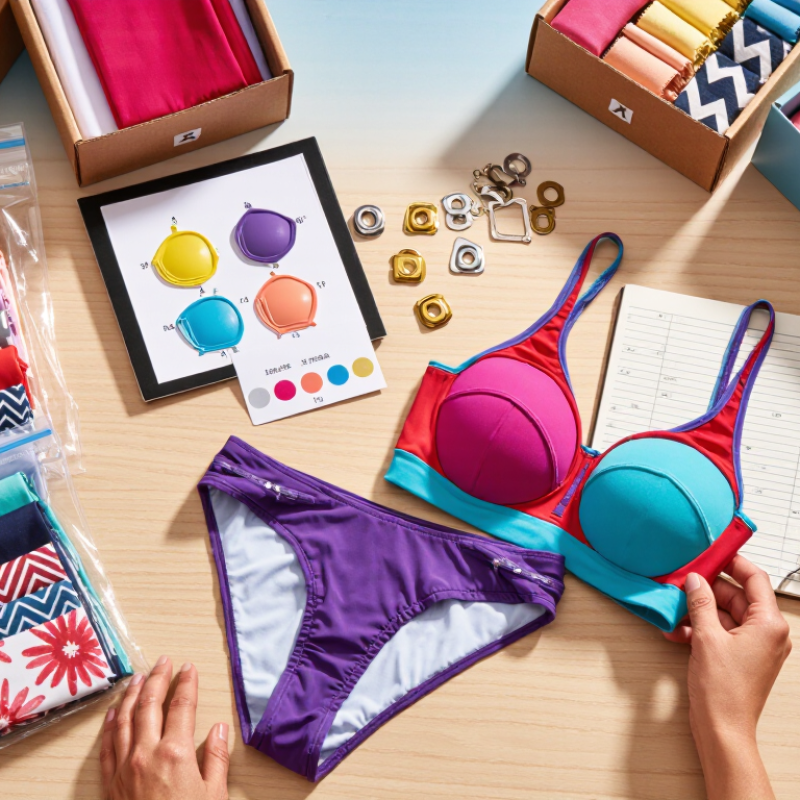
Experienced buyers inspect samples before committing to large quantities. They check lining, elasticity, padding, seams, colorfastness, and hardware. They also compare size charts with real customer measurements. Small details matter. A twisted strap can create returns. Weak stitching can damage trust.

Swimwear designer Melissa Odabash has said, “The perfect swimsuit is the one that makes you feel confident.” That idea should guide wholesale decisions. A fashionable piece still needs practical support, comfortable movement, and dependable construction. Trends can attract attention, but poor fit quickly pushes customers away.

This guide, “10 Tips for Buying Womens Swimwear Wholesale,” focuses on decisions that protect both margins and reputation. It covers supplier checks, fabric selection, order quantities, seasonal planning, and quality control. It also considers packaging, delivery timing, and customer preferences across different body shapes.

Wholesale buying is not perfectly predictable. Even careful forecasts can miss. A color may sell slowly. A popular size may disappear first. That is why flexible purchasing matters. Start with tested designs, record customer feedback, and adjust future orders honestly. A perfect strategy does not exist. A responsible process can still reduce costly mistakes.
10 Tips for Buying Womens Swimwear Wholesale

Define Your Wholesale Swimwear Goals and Target Customer

Before buying women’s swimwear wholesale, define the purpose of your collection. Are you serving resort shoppers, fitness swimmers, modest customers, or budget-conscious families? Each group expects different cuts, fabrics, and price points. A resort customer may prefer bright prints and adjustable straps. A fitness shopper may need secure coverage and chlorine-resistant fabric. Write these details down before contacting suppliers. Clear goals prevent attractive samples from distracting you.

Tip: Build a simple customer profile. Include age range, preferred sizes, shopping budget, climate, and buying habits. Check local search data and previous sales when available. Do not rely only on personal taste. I once selected elegant one-piece designs that looked excellent in photos, but they moved slowly because my target customers wanted practical separates. That mistake taught me to test demand before placing a large order.

Your wholesale plan should also define measurable targets. Set a starting budget, expected margin, size distribution, and launch quantity. Request fabric details, measurement charts, lining information, and sample photos. Examine stitching, elasticity, and cup support by hand. Small defects become expensive when repeated across hundreds of pieces. Leave room for adjustment. Customer feedback may reveal that your first size curve is too narrow or your colors are too seasonal. Reliable decisions come from evidence, not enthusiasm alone.

Evaluate Fabric Quality, Design Trends, and Size Range

10 Tips for Buying Womens Swimwear Wholesale

Fabric quality should guide every wholesale decision, not just the fabric’s appearance. Request composition details, weight, stretch recovery, and colorfastness results. A reliable fabric should recover after repeated stretching and resist becoming transparent when wet. Check the lining, too. Thin lining can create uncomfortable coverage problems. Ask for sample pieces before placing a large order. Wash them, expose them to sunlight, and inspect seams after drying. I once underestimated seam strength because the fabric felt excellent. That mistake taught me to test construction, not touch alone.

Design trends can increase sales, but short-lived details may leave unsold inventory. Review current preferences for high-waisted bottoms, adjustable straps, textured surfaces, and versatile coverage. Choose designs that look modern without depending on one seasonal color. Product photos can be misleading. Examine the actual cut, support structure, and hardware finish. A practical buyer should compare samples with customer feedback and local climate needs. A fashionable style may still fail.

Size range deserves equal attention. Request a complete measurement chart, including bust, waist, hip, torso length, and cup support information. Do not rely on labels such as medium or large. Ask how the supplier grades each size, especially extended sizes. Test several bodies, not just one fit model. Small inconsistencies can affect comfort and returns. I would also review size-related complaints from previous orders, when available. Perfect grading is difficult, so record weak points and correct them before reordering.

Compare Suppliers, Minimum Orders, and Wholesale Pricing

Buying women’s swimwear wholesale starts with comparing suppliers, not chasing the lowest quote. Request recent samples, fabric details, size charts, color cards, and production photos. Check stitching around straps, lining coverage, elastic recovery, and print alignment. A polished sample can still hide inconsistent grading. Ask how measurements are inspected across every size.

Minimum order quantities deserve careful attention. One supplier may require 300 pieces per style, while another accepts 60 pieces per color. Confirm whether the minimum applies to each size, color, or complete design. Smaller orders reduce risk, but they may increase unit costs. Larger orders can lower pricing, yet unsold seasonal stock becomes expensive. My first forecast was too optimistic. A spreadsheet looked convincing until slow colors occupied valuable cash.

Compare wholesale pricing through landed cost, not unit price alone. Add sampling, packaging, inland transport, freight, duties, payment fees, and possible inspection charges. Ask for tiered pricing at three order levels. Clarify production time, reorder terms, defect allowances, and deposit schedules in writing. Reliable suppliers answer specific questions without rushing your decision. Test communication with a small trial order before committing to a large collection. Keep records of sample measurements and approved materials. Details matter. Also, leave room for mistakes. A delayed shipment or weak-selling size can change your margin quickly.

Verify Samples, Customization Options, and Production Standards

Buying women’s swimwear wholesale becomes safer when samples receive more attention than glossy photos. Request one sample in each key size, not only a medium. Examine lining coverage, cup stability, strap adjustment, and stitching after gentle stretching. I check the garment while dry and damp. Small flaws appear differently. Measure every panel against the approved size chart. A two-centimeter mismatch can change fit across a production run. Ask for fabric composition, weight, stretch recovery, and colorfastness results. If a supplier avoids clear answers, pause the order.

Customization should be documented before pricing is accepted. Confirm fabric colors, prints, hardware, labels, packaging, and acceptable tolerances in writing. Request a pre-production sample showing final artwork placement and sewing details. Digital artwork can look perfect, yet the printed result may lose fine lines. That happened in a trial I reviewed. We adjusted the artwork, but the delay affected shipping plans. Build time for revisions. Discuss minimum order quantities and how extra fabric will be handled.

Production standards need evidence, not confident promises. Ask for an inspection checklist covering measurements, seam strength, loose threads, shade variation, and hygiene during packing. Independent inspections can verify random cartons before dispatch. Keep approved samples and signed specifications for comparison. Confirm the factory follows applicable labor, product safety, labeling, and environmental requirements in your market. Records matter when memories differ. Still, no checklist catches everything. Inspectors may miss a weak clasp or uneven lining. Open cartons after arrival and record findings with dated photos. Honest feedback improves the next production cycle, even when the first order is not flawless.

Plan Shipping, Inventory, Returns, and Ongoing Supplier Relations

Shipping and inventory decisions shape every wholesale swimwear purchase.

Ask suppliers for carton dimensions, packed weight, production time, and tracking details before payment. Build a delivery calendar with space for customs delays or missing cartons. A small buffer helps. For inventory, record each color, size, and style as a separate SKU. Review sales weekly and set reorder points before popular sizes disappear. I once ordered too many medium black suits and too few larger sizes. The spreadsheet looked tidy, but customer demand was not.

Tip: Test a small shipment first. Check stitching, lining, fabric recovery, and size accuracy before placing a larger order. Photograph cartons when they arrive. Count every item against the packing list. These simple records support fair claims and reveal repeated packing errors. Consider slow-moving stock carefully; deep discounts may protect cash flow, but they can also weaken your pricing structure.

Returns need clear written terms.

Confirm the allowed period, inspection process, defective-item evidence, replacement options, and who pays transport. Do not rely on friendly messages alone. Supplier relations also require steady communication. Share realistic forecasts, report defects calmly, and agree on response times. A monthly review can cover delivery accuracy, quality complaints, and upcoming designs. Trust matters, but verification matters more. I still revise my buying process after each season, because one overlooked detail can affect inventory, cash, and customer confidence.